

Play Therapy Techniques
Imagine a world where toys talk and games have magical powers! In play therapy, kids use play to express their feelings and solve problems. It's like having a superpower to work through emotions and find solutions, all while having fun!
Best for ages 4 -12 years

Cognitive Behavioral Therapy (CBT)
Think of CBT as a mental workout that helps kids and teens train their brains to think more positively and tackle challenges head-on. It's like having a personal coach for your thoughts, helping you feel more confident and in control.
Best for ages 6-18 years
Parent Child Interaction Therapy
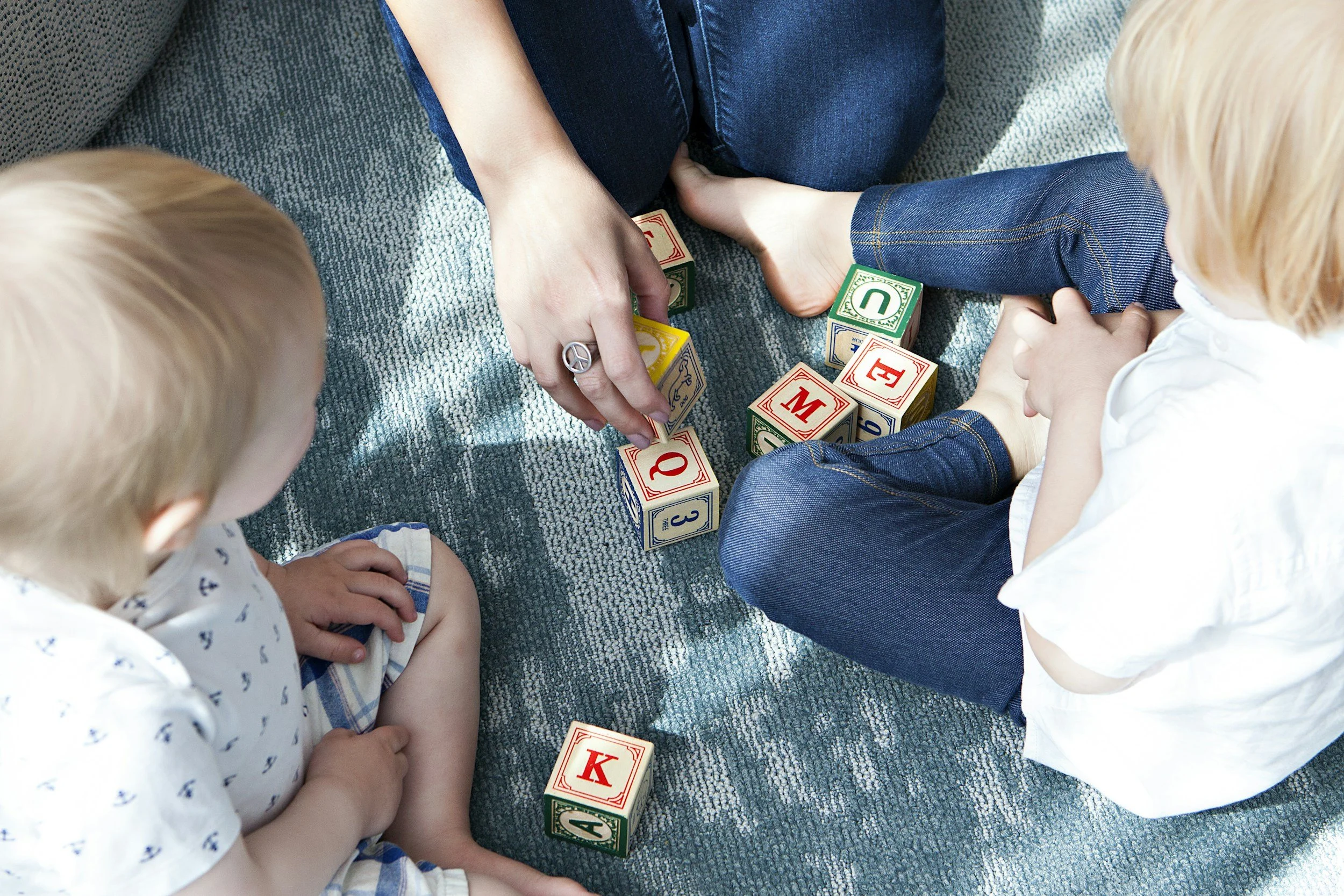
Unlike traditional play therapy, PCIT is a coaching-based approach where parents actively participate in treatment. During sessions, I provide live coaching and support as you practice new skills with your child, helping you build confidence and create lasting change both at home and in the community.
Best for ages 2-7 years

Art Therapy Techniques
Grab your paintbrushes and crayons! Therapy through art lets kids express their feelings and creativity through drawing, painting, and other art forms. It's a colorful way to explore emotions and build self-esteem.

Parent Coaching/Training
Parent training is about empowering you—the parent—with skills and strategies that are proven to support positive behavior in children. The most effective parenting tool is always the relationship with, not control over, the child. By emphasizing parental self-regulation, strengthening parent–child connection, and welcoming emotions while setting limits, the Peaceful Parenting approach offers hope for frustrated parents who don’t want to punish but don’t know what else to do.

Brain Spotting
Sometimes, emotions get stuck—especially after stressful or overwhelming experiences. Brainspotting is a gentle, neuroscience-based approach that helps kids and teens process emotions and experiences that might feel too big to put into words.